
In the realm of Afrofuturistic cultural exploration, few icons hold as much significance as Marvel’s Black Panther. Ytasha L. Womack, an influential speaker, author, filmmaker and scholar, discusses her latest literary endeavor: “Black Panther: A Cultural Exploration.” In this post, we’ll learn about the insightful journey Ytasha undertook to uncover this iconic character, showcasing the symbiotic relationship between the comic, movies and the ever-evolving cultural landscape.
Motivation Behind the Exploration
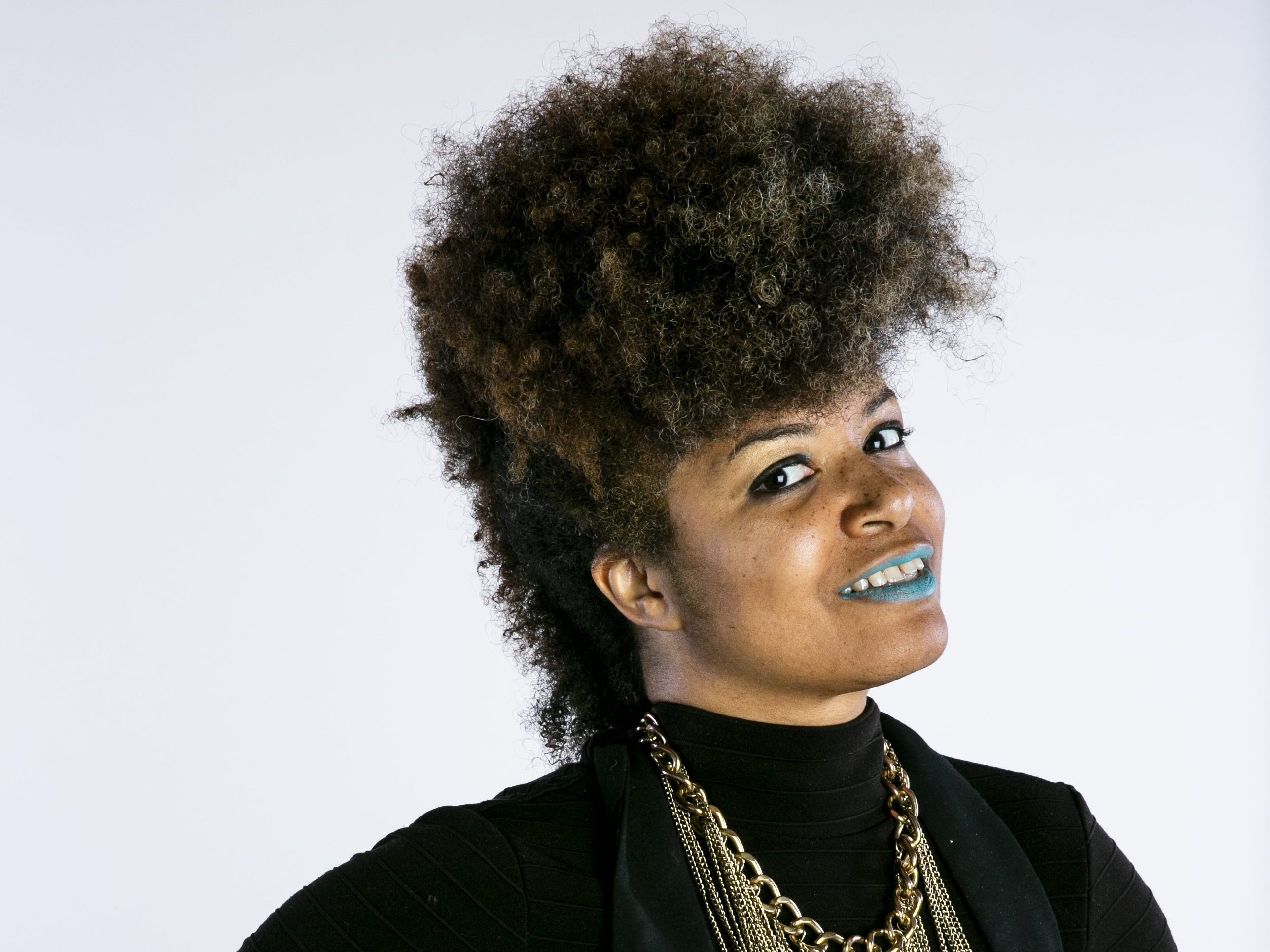
Photo Courtesy of Ytasha L. Womack
Ytasha ‘s journey into exploring Black Panther’s cultural significance began with an exciting invitation. Marvel and the publishing company Quarto reached out to her, offering a unique opportunity to write a book contributing to the narrative of this iconic character.
“It was an exciting opportunity to talk about the Black Panther character, but also to kind of frame the comic itself as central or influential in its impact on the culture. The way I wanted to kind of frame the story was to think about the comics’ impact on the culture, but also the culture’s impact on the comic,” she says.
The narrative showcases how the character’s rise mirrors liberation movements in Africa and the civil rights struggles. Ytasha explains that she wanted to look at the elements within the storylines that were pulled from real-life events and some common and uncommon mythologies.
Black Panther’s Origins
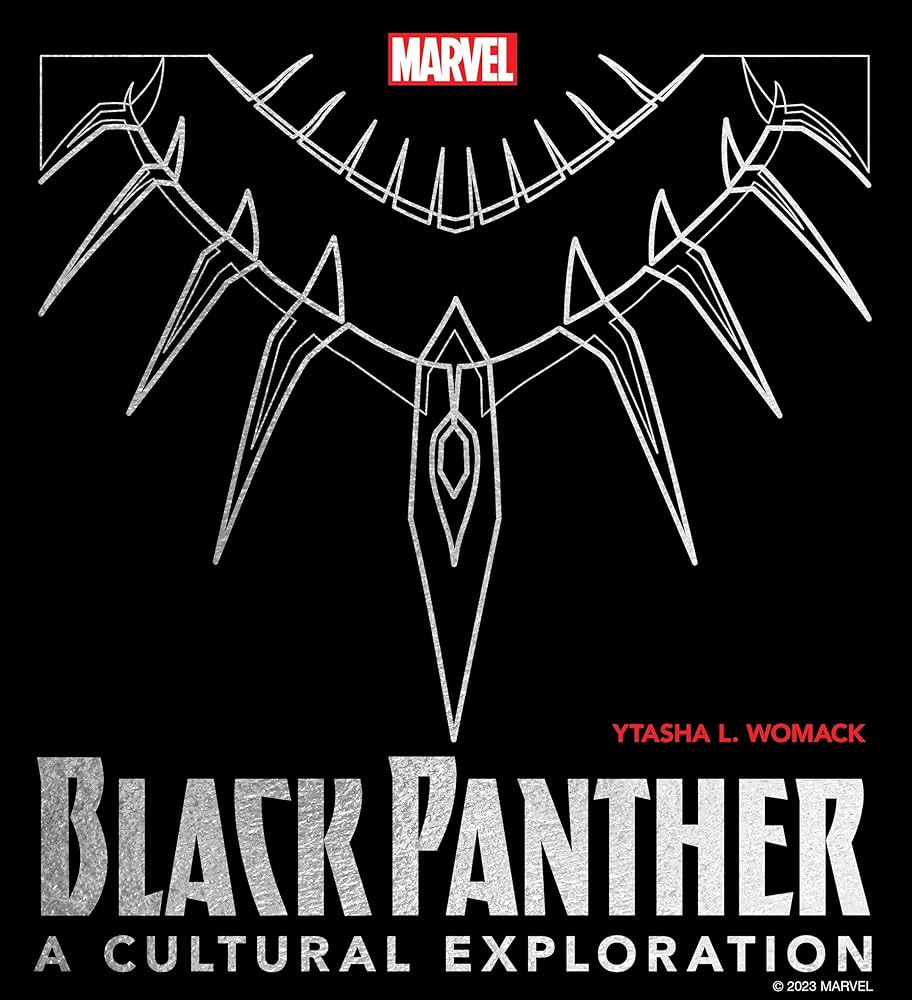
According to the book, Black Panther, the character, was born in 1966, crafted by Stan Lee and Jack Kirby. This pivotal moment occurred in the heart of the civil rights movement and just before the establishment of the Black Panther Party. Ytasha explains how subsequent creators have drawn inspiration from global histories and the Black experience, infusing the character with stories of oppression and triumph over the years.
The book provides an immersive exploration of the character’s intricate mythos. From the debut in Marvel comics to the present-day film appearances, Ytasha traces the character’s journey. The book acts as a time capsule, featuring iconic artwork and quotes spanning decades of Marvel comics. It’s not just a history lesson; it’s a testament to how Black Panther’s narrative has resonated with readers and creators alike. As the dedication reads: “This book is for all the Black Panther fans who’ve read the comics over the years and continue to give life to this brilliant character.”
Afrofuturism Amplified
Having authored “Afrofuturism: The World of Black Sci-Fi and Fantasy Culture” in 2013, Ytasha draws parallels between her previous works and “Black Panther: A Cultural Exploration.” She explains the seismic shifts in conversations about Afrofuturism post the release of the Black Panther film. “Black Panther, the Marvel films provided such a buoyant lift for the culture. It became a very tangible example for many people of what Afrofuturism was in both a visual sense, a theoretical sense, a creative sense. And they had an opportunity to see and experience a collective global interest in a creative art form that reflected Afrofuturism but was also validated in terms of its monetary success globally,” she says.
The movie had such an immense impact that during its release Marvel exhibits began to talk about Black Panther as Afrofuturist says Ytasha. When people were doing interviews about the film, they would ask her and others questions to understand the film’s Afrofuturist concepts. The comic provided the foundation for the character and central location, Wakanda.
“The idea of Wakanda itself as this amalgamation of what freedoms or worlds could look like when you’re not dealing with colonial factors, enslavement factors…The world-building element of the Black Panther story, the way that it embraces this concept of Sankofa, Sankofa being the Akan symbol, which simply means to go back, but also in that for future sense, can be discussed as taking the best of the past and bringing it into the future,” she explains.
The comic draws upon several fascinating themes from what leadership looks like in a utopian world and whether or not a monarchy is an ideal form of government. Ytasha points out that Black Panther is in fact the monarch of Wakanda. The idea of negotiating and discussing what part of the past should go into the future including leadership styles, relationships to ancestors and community, along with the convergence of mysticism and technology, is generally how Afrofuturism is discussed in her other works as well.
Unlocking Revelations
As Ytasha looked into the cultural significance of Black Panther, she unearthed fascinating connections that might surprise even the most ardent fans. The name “Wakanda” itself carries a unique twist, drawing inspiration from the Native American word wakan. Ytasha says that Wakan is an ancestral realm or a realm in which all things are created similar to the one we see in Wakanda.
According to Britannica, poisonous plants and reptiles can contain wakan, as can intoxicating drinks. Wakan beings are the immortal supernatural powers who bestow wakan very similarly to T’challa (Black Panther) taking the Heart-shaped Herb. As his sister Suri says in the first film: “He or she who consumes the Heart-shaped Herb becomes the Black Panther. Through a ritual that has existed for generations, fruit from the flower is offered to one who is worthy to claim the mantle.”
Another intriguing revelation Ytasha discovered stems from Black Panther almost being named the Coal Tiger. This was a phrase used by the press to reference African liberation movements during the comics’ inception. Many people also think that Black Panther was named after the Black Panther Party, but the party was formed after the comic was released. “But it looks like they were both sourcing the same inspirations, Ytasha says. “You had to have a symbol to represent, to put on the political voting tabs because everyone wasn’t literate in the state. And so the symbol that they picked was the Black Panther. And so, this sort of zeitgeist moment where the creators of Marvel and the creators of Black Panther were really looking to the culture.”
Wakanda Forever
Central to the Black Panther narrative is Wakanda, a symbol that has become synonymous with Afrofuturism and Black excellence. Ytasha explores the influence of Wakanda on the global perception of African culture. Drawing on historical lineages and the rich history of ancient African empires, Wakanda emerges as a retro-futuristic destination, challenging conventional ideas. Ytasha explains that countries like Ethiopia which were mentioned in biblical text and were not colonized by European entities, have been seen as beacons of freedom.
Egypt is another country that was heavily referenced in Western historical context as a great African nation and that many see as a symbol of greatness. Several of the elements in Wakanda itself mirror real-life ancient African empires in terms of the grandeur or the setup of things like a monarchy. In many ways, Wakanda is a resurrection of pasts that includes elements of technology and mysticism that make it feel futuristic.
Ytasha continues: “I think that it was another reminder for people in this context of, hey, what do I want the future to look like? Oh, the future can be cool. It can be interesting. It could pull from cultural elements I think are great. You can preserve some aspects of culture. You can innovate, you can have ethical leadership. You can work harmoniously with the earth. Women and men and non-binary folk are all equal within this society. I think one of Wakanda’s greatest achievements is that Black Panther is dynamic, but his sister can be Black Panther as well.”
Shifting Paradigms
In the wake of the Black Panther film, Ytasha explains that the book primarily centers around the comic, exploring the evolution of the character and the broader cultural impact. She then provides a few insights into the differences between the film and the comic, such as the dynamic twist of making the antagonist, Killmonger, T’Challa’s cousin when in the comic they weren’t related. Another deviation in the comics is when there is a rebellion in Wakanda because they no longer want to have a monarchy. In the comic, T’Challa is more open to the idea of engaging with the outside world instead of remaining isolated. There was also a comic book issue in the late 80s where he had to save his stepmom from Apartheid in South Africa and another issue where Black Panther fought the Ku Klux Klan.
For readers unfamiliar with the extensive Black Panther comic history, Ytasha’s book offers a visual feast of illustrations and explorations, showcasing the character’s strength and finesse in a groundbreaking manner. “It becomes an opportunity not to just learn this kind of lore mythology, but also to see some real-world histories or myths that it connects to. It becomes an opportunity to learn about Black Panther, but also to learn about these histories. The all-women armies of Dahomey, the African liberation movements, the aspects of the civil rights movement or just the history of Black astronauts and NASA, it becomes a way to kind of talk about all of these,” she says.
In “Black Panther: A Cultural Exploration,” Ytasha doesn’t just dissect a comic; she unravels a web of narratives that transcend ink and paper. Through the lens of Wakanda and its iconic hero, readers embark on a journey that extends beyond the realms of fantasy, prompting contemplation on leadership, heritage and the dynamic evolution of Black culture within the global aspects of imagination. Ytasha’s exploration is a testament to the enduring impact of storytelling, making Black Panther not just a hero in a comic but a symbol etched in the cultural consciousness.
How has Black Panther influenced your perspective on Afrofuturism and storytelling? How does this reflection impact your understanding of superhero narratives in a broader social context? Let me know in the comments below!
 The Beginner's Guide to Afrofuturism
Leave a comment